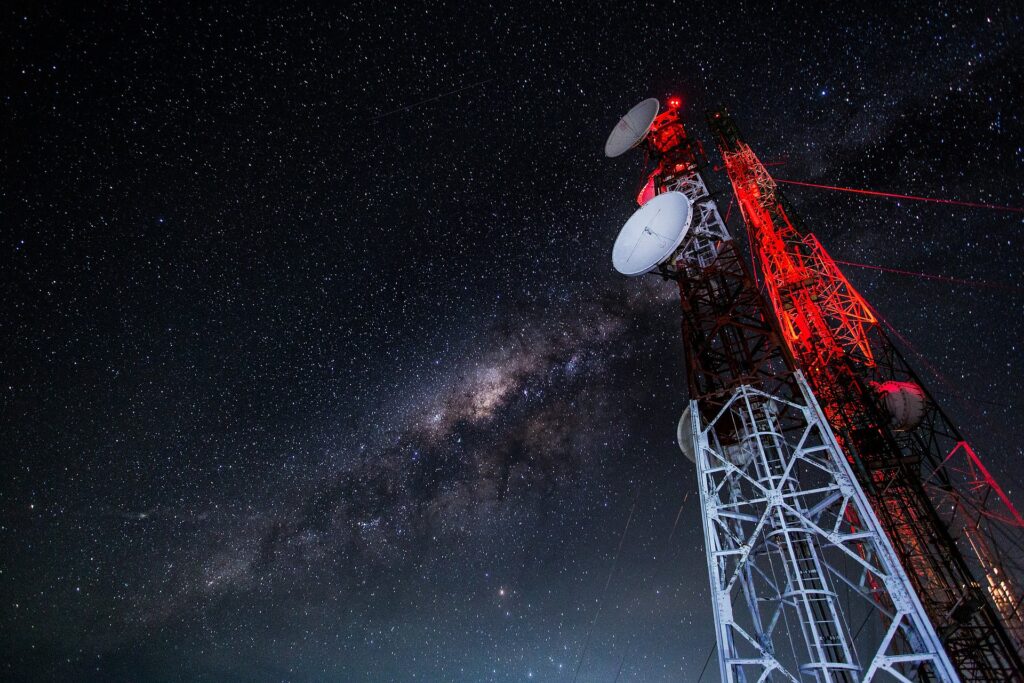
From silent skies to encrypted commands, the U.S. Air Force’s High Frequency Global Communications System (HFGCS) keeps aircraft connected across the globe—no matter how far they fly or what threats emerge. While today’s military leans heavily on satellites and digital networks, one system continues to earn trust when absolute reliability Continue Reading
Space
GaN Radar System Defends U.S. from Missile Threats in Alaska

GaN Radar System: How It Powers America’s Missile Defense in Alaska In the heart of Alaska, at Clear Space Force Station, stands one of the most powerful radar systems ever built—the Long Range Discrimination Radar (LRDR). It plays a critical role in the United States’ missile defense network. LRDR can Continue Reading
NOAA-18 Decommissioned: A Legacy in Earth Observation
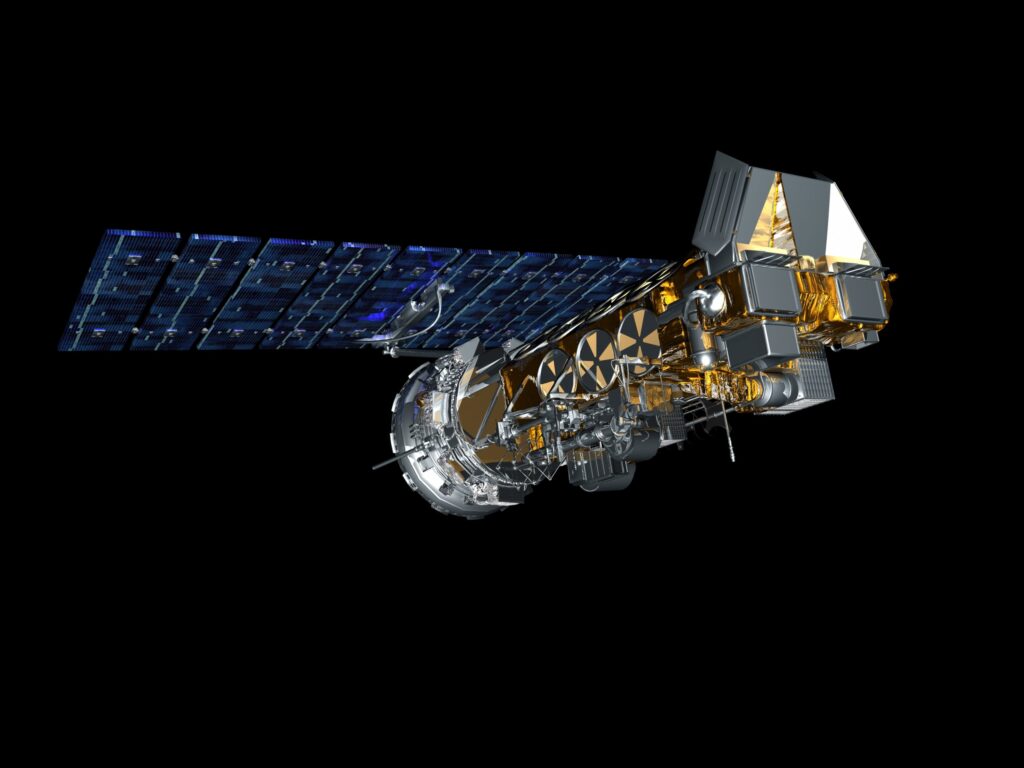
On June 6, 2025, NOAA-18 was officially decommissioned after nearly 20 years in orbit. A critical transmitter failure ended its ability to send data, marking the close of a long career in global weather and climate monitoring. Users are now directed to rely on newer satellites like NOAA-20 and NOAA-21 for continued Earth observation.
The Evolution of Satellite RF Communication: From Beeps to Broadband
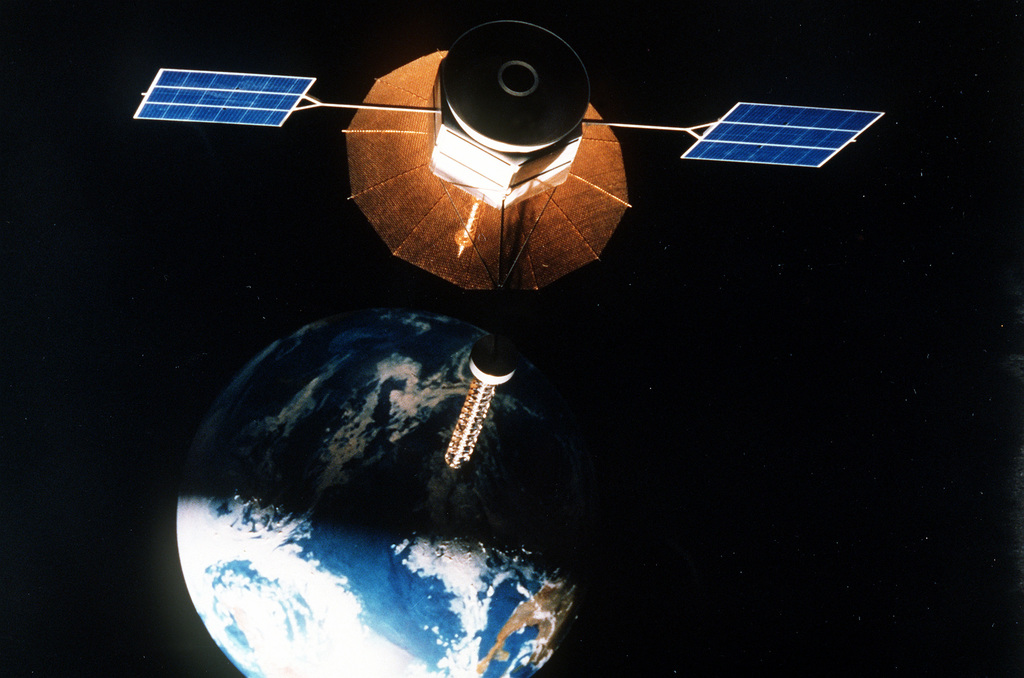
Satellite RF communication has come a long way since its inception. At first, it was all beeps and signals in space, but now it’s the backbone of our global communication infrastructure, enabling everything from television broadcasts to internet connectivity. In this article, we’ll take a journey through time to understand Continue Reading
FRBs have been detected…..again
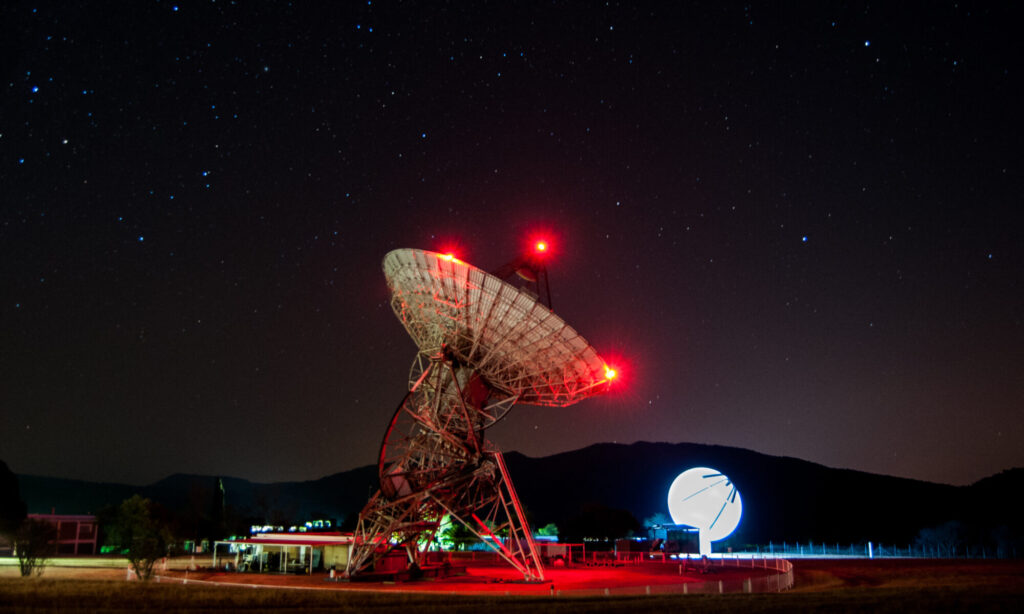
An international team led by Chinese astronomers has discovered a new type of fast radio burst, brief but bright flashes in the expanding universe that mysteriously keep exploding about once every 10 to 15 minutes. Persistent fast radio burst named FRB 20190520B was discovered on May 20, 2019 by Niu Chenhui, a post-doctoral fellow at the National Astronomical Observatories of the Chinese Academy Continue Reading
GOES-18 Sends Back First Stunning Imagery of Earth.
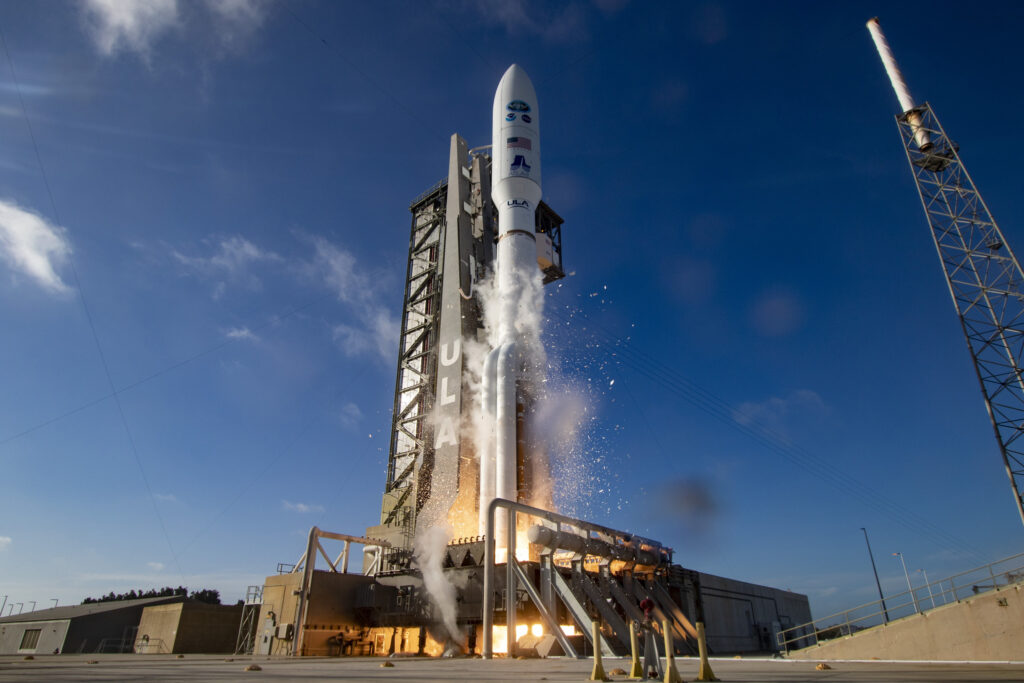
May 11, 2022, NOAA shared the first images of the Western Hemisphere from its GOES-18 satellite. The satellite’s Advanced Baseline Imager (ABI) instrument recently captured stunning views of Earth. GOES-18, NOAA’s newest geostationary satellite, launched on March 1. The ABI views Earth with sixteen different channels, each measuring energy at different wavelengths along the Continue Reading
Harris Awarded $284 Million Contract Extension for GOES-R Ground Segment
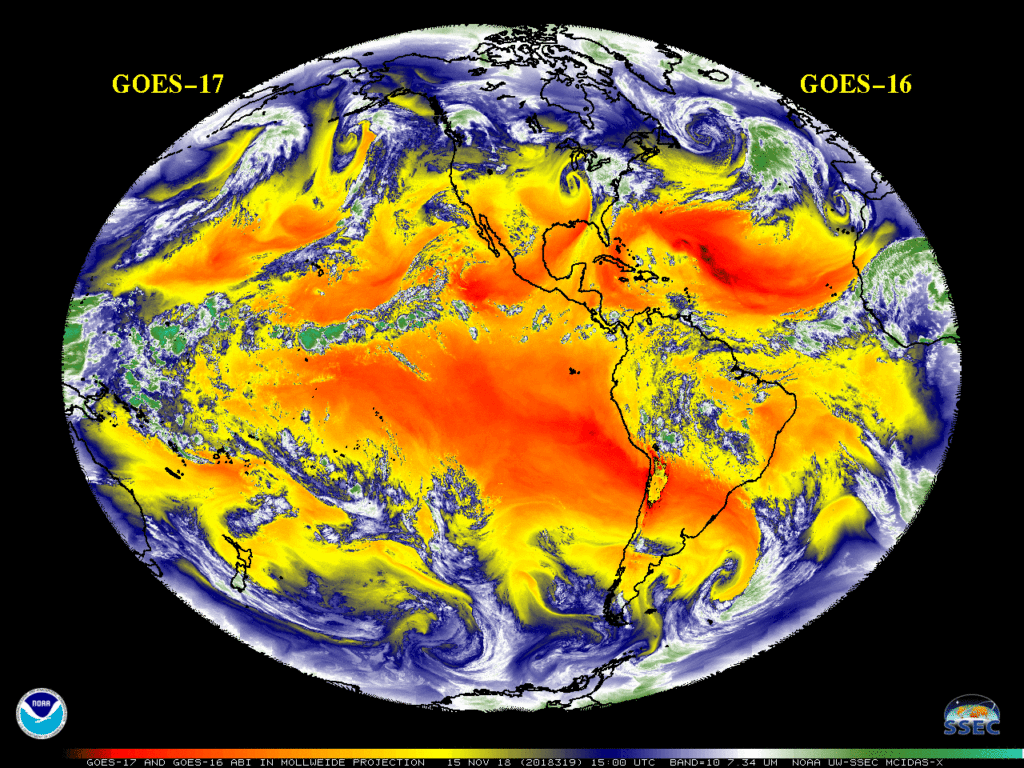
The National Oceanic and Atmospheric Administration (NOAA) awarded Harris Corporation a three-year, $284 million contract extension for the Geostationary Operational Environmental Satellite-R Series (GOES-R) ground segment. This extension aimed to modernize the ground-computing infrastructure, reduce the IT footprint, and lay the foundation for future migration to cloud technologies. It extended Continue Reading