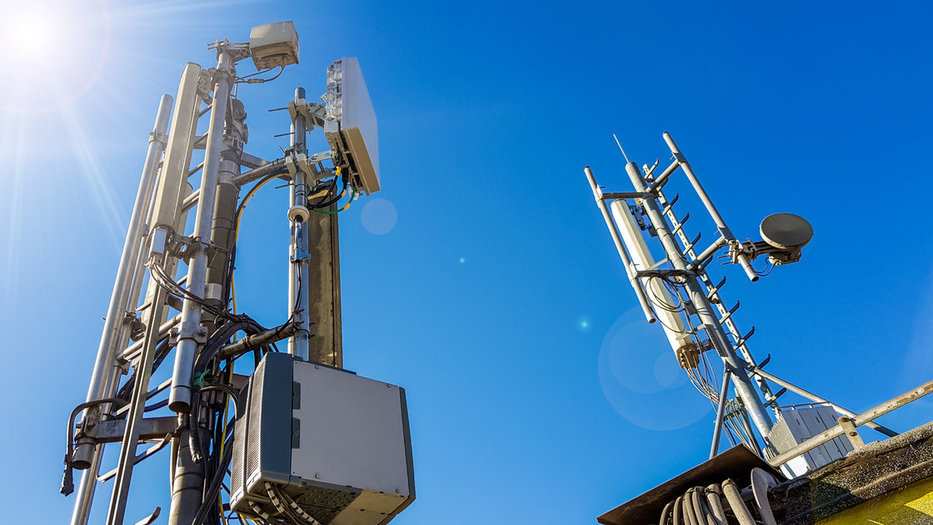
The #1 Question Field Techs Are Asking About Cellular RF How do you keep massive MIMO beamforming stable when real-world interference and alignment drift hit harder than lab models predict? This question tops every crew chat and dispatch call right now. Techs report more dropped sectors and EVM spikes on Continue Reading
What Is the Most Critical RF Question Sub-6 GHz Raises in 2026?

As 6G trials accelerate and regulators finalize additional mid-band allocations, the dominant question facing RF engineers is no longer “Can Sub-6 GHz deliver coverage?” but “How do we maintain spectral efficiency and linearity when Sub-6 GHz must coexist with dense 5G-Advanced and early 6G waveforms in the same 3–7 GHz Continue Reading
Silent Signals: How the USAF HFGCS Connects the Skies
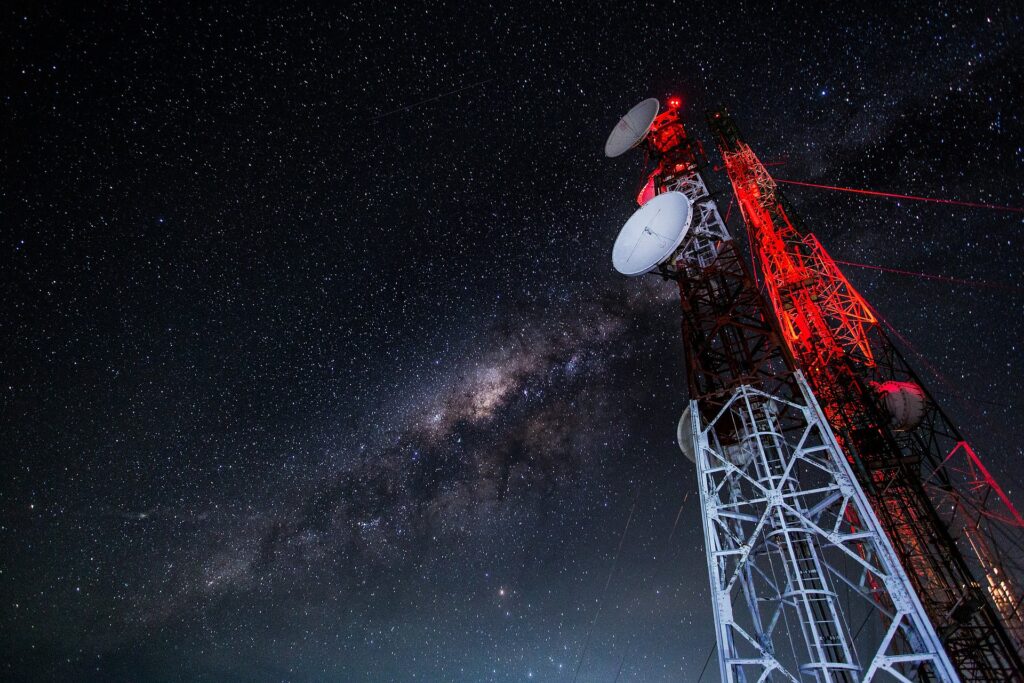
From silent skies to encrypted commands, the U.S. Air Force’s High Frequency Global Communications System (HFGCS) keeps aircraft connected across the globe—no matter how far they fly or what threats emerge. While today’s military leans heavily on satellites and digital networks, one system continues to earn trust when absolute reliability Continue Reading
433 MHz: The Wild West of RF Devices in 2025
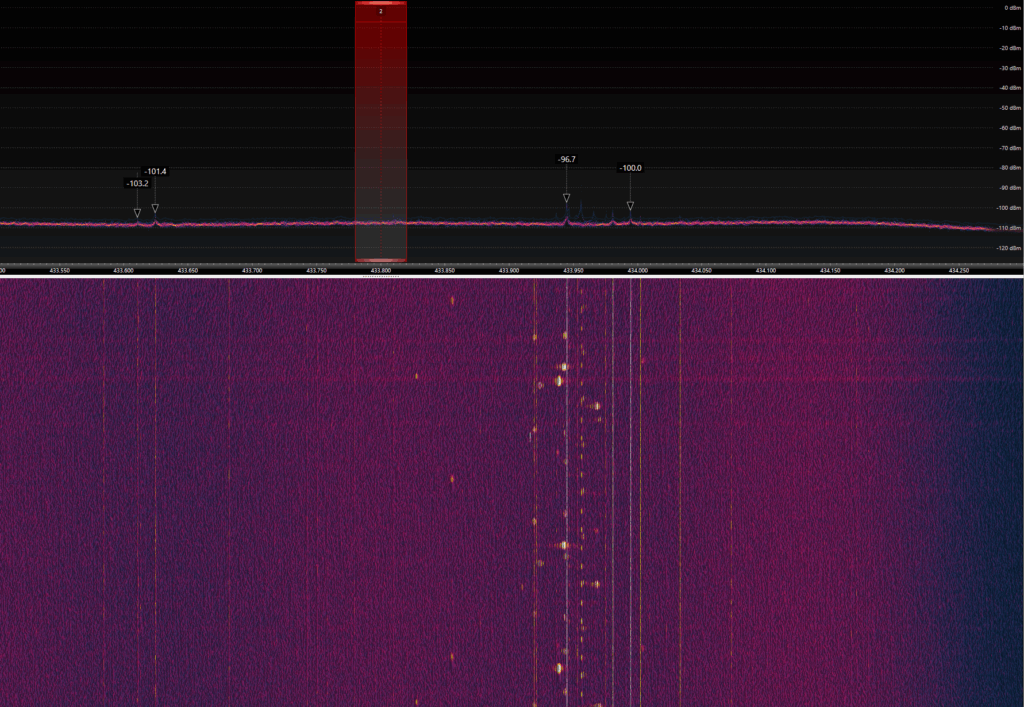
The 433 MHz ISM band is one of the most chaotic, congested, and fascinating corners of the RF spectrum. Spanning 433.05 to 434.79 MHz in most ITU regions, this unlicensed frequency range was originally designated for industrial, scientific, and medical devices. But in 2025, it’s home to a jungle of Continue Reading
GaN Radar System Defends U.S. from Missile Threats in Alaska
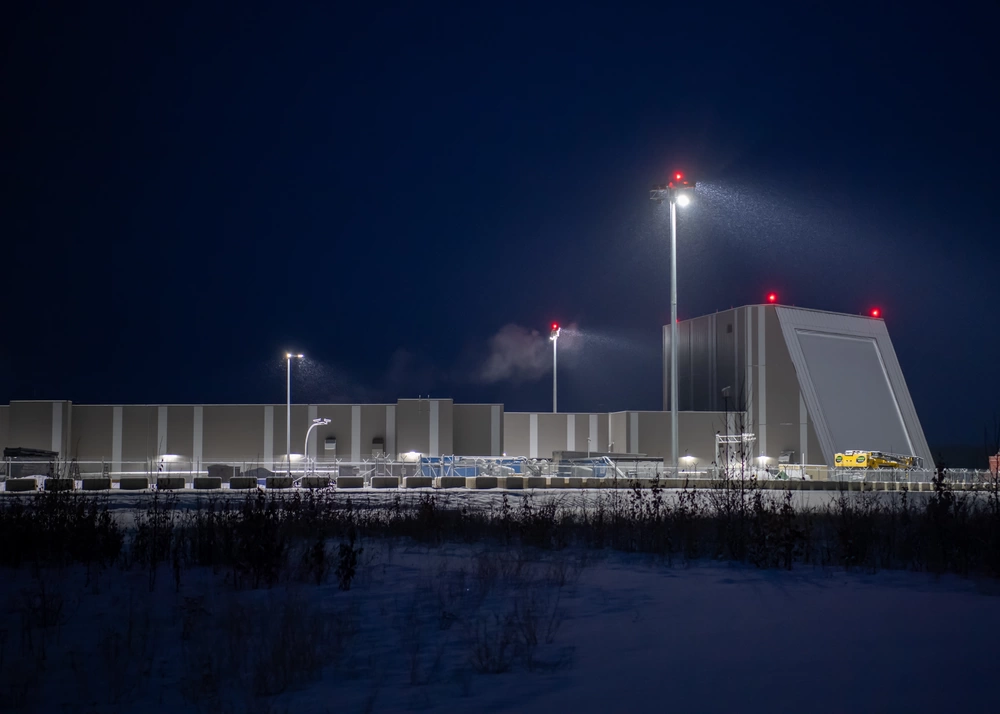
GaN Radar System: How It Powers America’s Missile Defense in Alaska In the heart of Alaska, at Clear Space Force Station, stands one of the most powerful radar systems ever built—the Long Range Discrimination Radar (LRDR). It plays a critical role in the United States’ missile defense network. LRDR can Continue Reading
NOAA-18 Decommissioned: A Legacy in Earth Observation
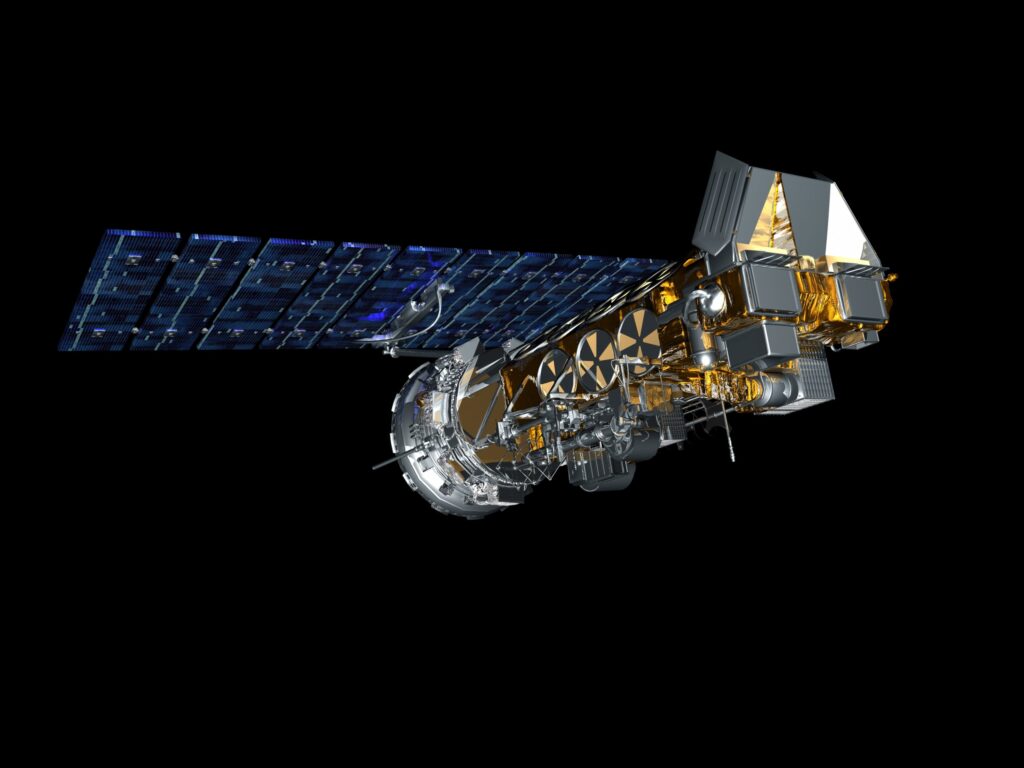
On June 6, 2025, NOAA-18 was officially decommissioned after nearly 20 years in orbit. A critical transmitter failure ended its ability to send data, marking the close of a long career in global weather and climate monitoring. Users are now directed to rely on newer satellites like NOAA-20 and NOAA-21 for continued Earth observation.
Deep Space Communications: The Evolution of Humanity’s Cosmic Link
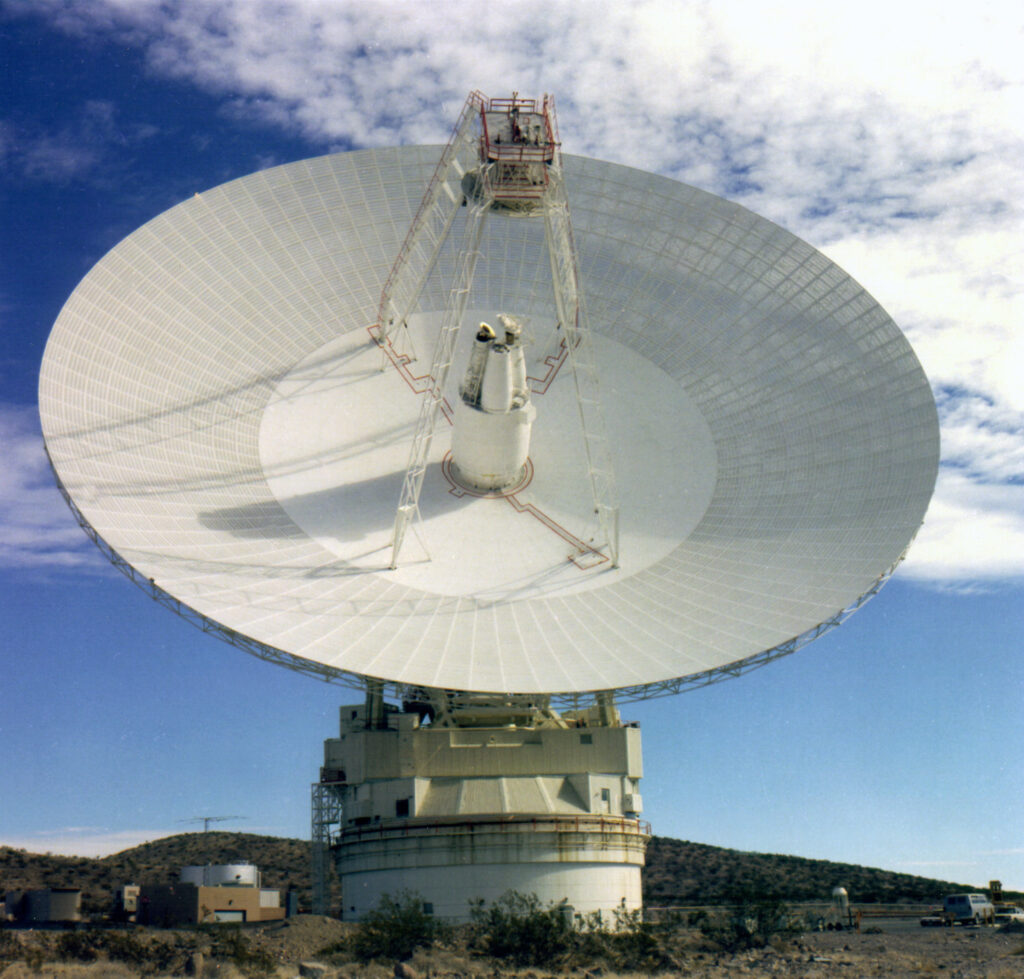
As humanity ventures further into the cosmos, deep space communications (DSC) are crucial. They remain one of the most challenging aspects of space exploration. With upcoming missions to the Moon, Mars, and beyond, advancements in DSC technology are pushing the limits of what’s possible. The Deep Space Network (DSN) was Continue Reading
What’s Next After P25 Phase II? The Future of Public Safety Communications
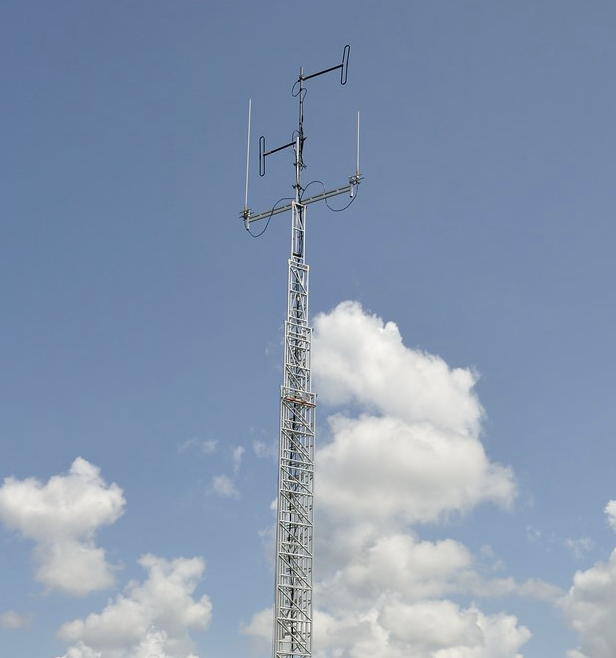
Public safety radios have come a long way, with P25 Phase II being the gold standard for emergency communication. But as technology advances, first responders need more than just voice—they need data, video, and seamless connectivity. So, what’s next? No P25 Phase III – The Industry is Going Hybrid There Continue Reading
T-Band Auction Creates Uncertainty as Public Safety Agencies Scramble for a Solution.
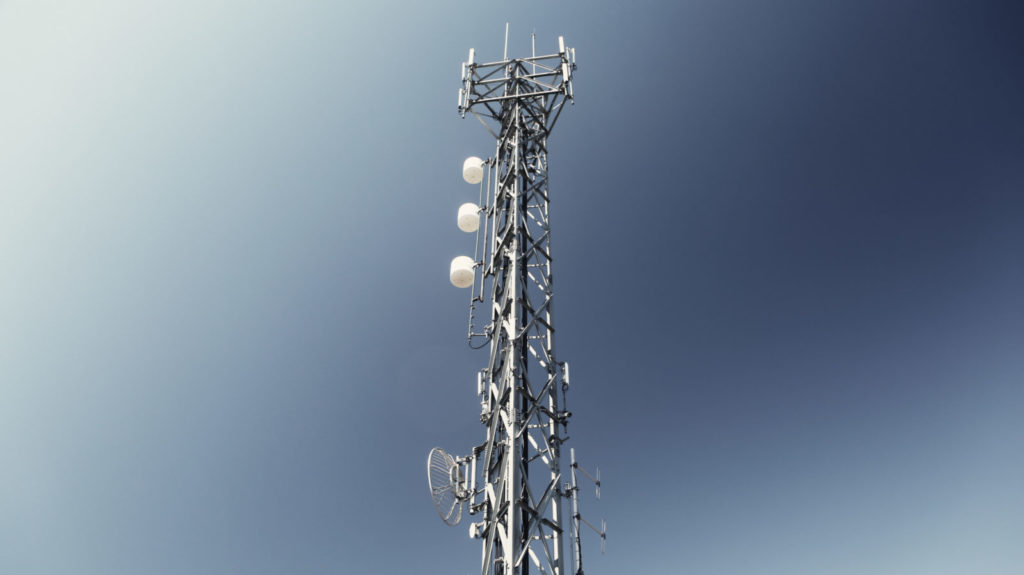
Public safety agencies across major U.S. cities are facing mounting uncertainty as the Federal Communications Commission (FCC) moves forward with plans to auction off the critical T-Band spectrum (470-512 MHz). This auction, mandated by the 2012 Middle Class Tax Relief and Job Creation Act, has left first responders in cities Continue Reading
AN/TPY-2: The World’s Most Powerful Radar Behind Global Surveillance
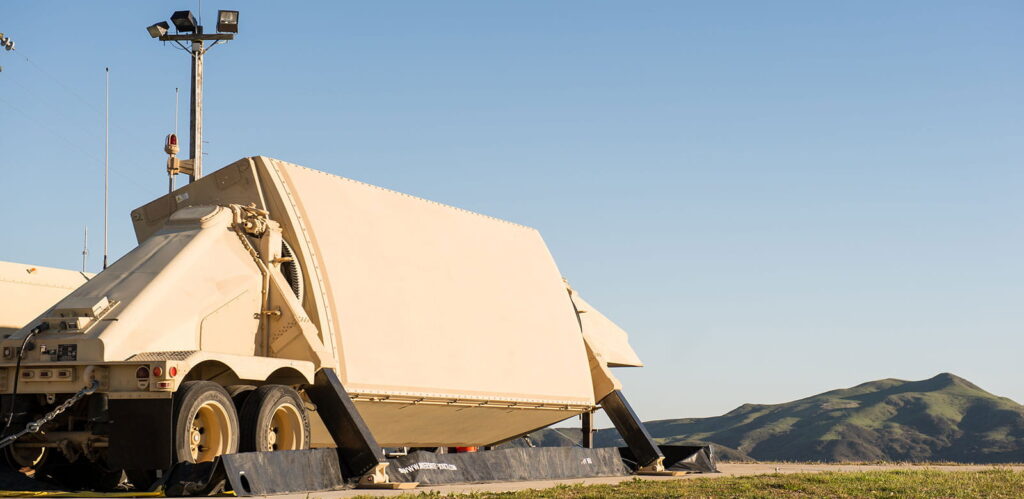
When you think of powerful radar systems, what comes to mind? Perhaps a military installation or a cutting-edge technology used to monitor weather patterns. However, few radar systems compare to the sheer scale and capabilities of AN/TPY-2, one of the most powerful radar systems in the world. Used for missile Continue Reading