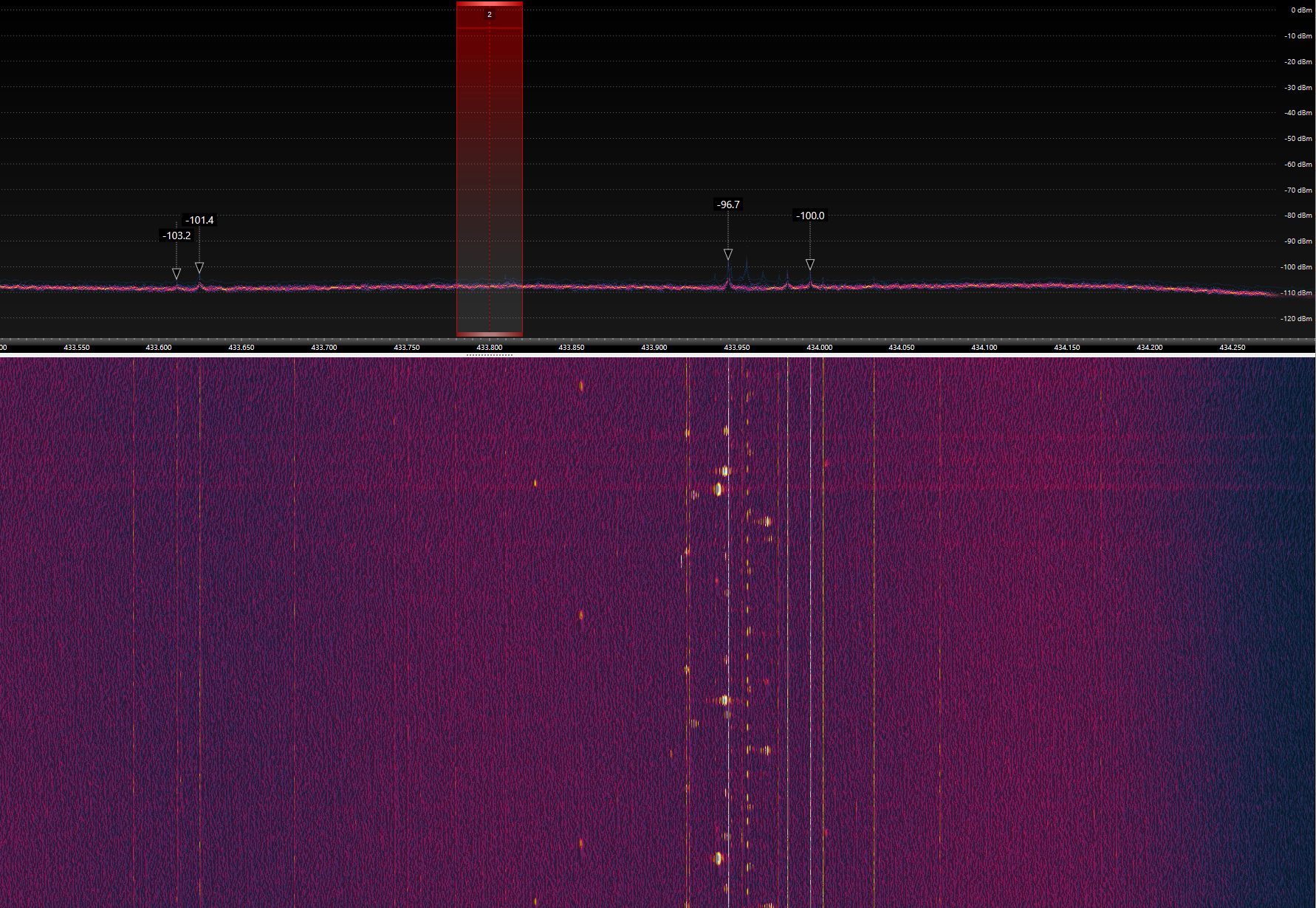
The 433 MHz ISM band is one of the most chaotic, congested, and fascinating corners of the RF spectrum. Spanning 433.05 to 434.79 MHz in most ITU regions, this unlicensed frequency range was originally designated for industrial, scientific, and medical devices. But in 2025, it’s home to a jungle of gadgets—garage door openers, tire pressure monitors, weather sensors, cheap wireless doorbells, and even drone controllers—all fighting for space.
433 MHz Is Still in High Demand
What makes this band so attractive is its accessibility. Manufacturers love it because devices don’t require a license to operate (as long as they follow regional power limits and duty cycle rules). Hobbyists and tinkerers love it because it punches above its weight in range, especially with a decent antenna. Unlike the crowded 2.4 GHz band, 433 MHz waves propagate through walls and trees more effectively due to their longer wavelength. This makes the band ideal for low-power, short-burst data in smart home applications, especially where Wi-Fi or Zigbee fall short.
A Spectrum Without Rules, and the Mess That Follows
But this freedom comes with a price: interference. There’s no coordination in this band, no polite listen-before-talk etiquette. Devices transmit when they want, often colliding with each other mid-air. This creates a noisy environment where packets are dropped, data is garbled, and troubleshooting becomes a guessing game. Imagine dozens of invisible voices shouting at once—only some get heard.
On top of that, 433 MHz is a playground for RF enthusiasts and hackers. With an SDR and a $5 antenna, anyone can sniff signals, decode protocols, and even replicate transmissions. That cheap wireless weather station in your yard? It’s likely broadcasting unencrypted data. The garage remote? A replay attack waiting to happen if the rolling code is outdated or missing. The RTL-SDR Blog is a popular hub where hobbyists share tools for decoding and analyzing 433 MHz signals.
Despite its challenges, the 433 MHz band isn’t going away. In fact, it’s expanding. With the rise of low-cost microcontrollers and DIY IoT platforms like Arduino and ESP32, more people than ever are creating their own wireless systems. This keeps the band alive with innovation—even as it grows noisier by the day.
In the end, 433 MHz is both a blessing and a battleground. It represents the messy, unregulated creativity that makes RF so compelling. Just don’t expect your signal to always get through on the first try.